From Elderflower to Bottle
May 22, 2026
Type to begin your search
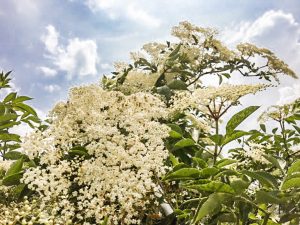
Towards the end of May, elderflower begins to appear in the hedgerows across the English countryside. It’s one of the last blossoms of spring to arrive, and when it does the whole valley seems to fill with its scent — soft honey, citrus, and something unmistakably summery.
That’s when the elderflower season begins.
It’s a short window, usually lasting just a couple of weeks from late May into early June, depending on the weather. Too early and the blossom hasn’t fully developed its fragrance. Too late and the flowers begin to fade as the berries start to form. For drinks built around delicate floral character, timing matters enormously.

There isn’t really a shortcut to good elderflower. The whole point of the blossom is its fragrance, and fragrance doesn’t last forever. The delicate floral notes that give elderflower its character begin to fade soon after harvest.
That’s why timing matters so much.
Dry, still mornings tend to produce the best blossom: warm enough for the fragrance to develop, but not so hot that the flowers lose their freshness. Rain can wash away pollen and perfume alike, while excessive heat quickly softens the flower’s brightest notes.
The best elderflower is harvested when the tiny florets are fully open and still pale cream in colour, carrying the lifted floral aroma that makes the ingredient so distinctive.
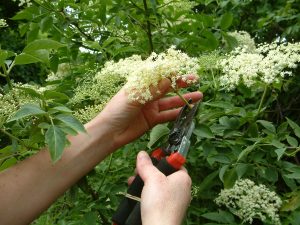
Elderflower is one of those ingredients that seems deceptively simple. Small white flowers, a sweet scent — straightforward at first glance. But there’s far more complexity in good elderflower than most people realise.
The finest elderflower carries several layers of flavour and aroma at once: bright floral top notes often compared to pear or lychee, softer honeyed character underneath, and a gentle herbal freshness that keeps everything balanced.
Those top notes are also the most fragile. Picked too early, too late, or handled without care, elderflower quickly loses the freshness that gives it its unmistakable character.
That’s why preserving those delicate aromas matters so much throughout production.
One of the challenges with elderflower is preserving its delicate floral character — balancing freshness, fragrance and gentle herbal notes throughout production.
What happens next depends on which bottle it’s destined for.
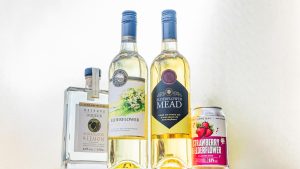
For our still Elderflower Wine, a white grape wine base is prepared first, a process that takes several weeks. Once the base wine is complete and clarified, elderflower flavours and infusions are added during production, helping retain the lifted floral character without becoming overly herbal.
Our Elderflower Mead follow a similar approach. A honey-based mead style is created first, with elderflower flavours added later during production to bring brightness and floral character to the finished drink. This allows the floral notes to remain fresh and expressive while maintaining consistency across batches.
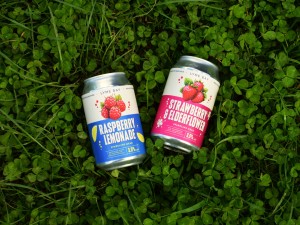
Elsewhere in the cellar, elderflower is paired with strawberry in our Strawberry & Elderflower Sparkling Mead — bringing together two classic summer flavours in a lightly sparkling style.

Then comes the waiting.
Fermentation takes place before any elderflower character is added. The wine and mead bases are both fermented and clarified first, creating a clean foundation for the finished flavour profile.
Temperature and timing still matter throughout the process. Careful fermentation and handling help preserve freshness and balance within the final blend, allowing the delicate floral notes to remain bright and expressive.
The finished styles each develop differently. The country wine remains light, floral and refreshing, while the meads gain additional softness and roundness from the honey base beneath the elderflower character.
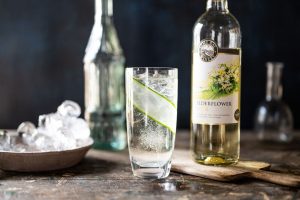
The reason there’s more than one elderflower drink is simple: the flavour profile is too distinctive to use only one way.
Our Elderflower Wine is the lightest and most delicate of the collection — an off-dry country wine with lifted floral character, made for warm evenings and chilled glasses.
Elderflower Mead is richer and rounder, with honey adding depth and softness.
Strawberry & Elderflower Sparkling Mead brings together two classic summer flavours in a gently sparkling style.
Each bottle captures a slightly different side of elderflower season.
Every bottle has a story behind it, but elderflower is one of the few ingredients that captures the season quite so clearly. Pour a glass and it instantly brings to mind those brief early summer weeks when the hedgerows are in bloom.
That’s what we mean by “from elderflower to bottle”: a short seasonal harvest, careful production, and a flavour that feels unmistakably English.
We hope you enjoy it.
Small batch English wines and meads inspired by the short elderflower season.
If you’d like to taste them in person, you’re warmly welcome at our Cellar Door here at the winery. It’s where the story behind every bottle comes to life. Meet the team, try the range side by side, and discover what makes Lyme Bay Winery something a little different.
Explore more from Lyme Bay Winery.
The blossom lasts just a few weeks, and so does the offer. Sign up to our newsletter to claim 15% off the elderflower collection while the season lasts.