
Lyme Bay Winery
English Red Wine
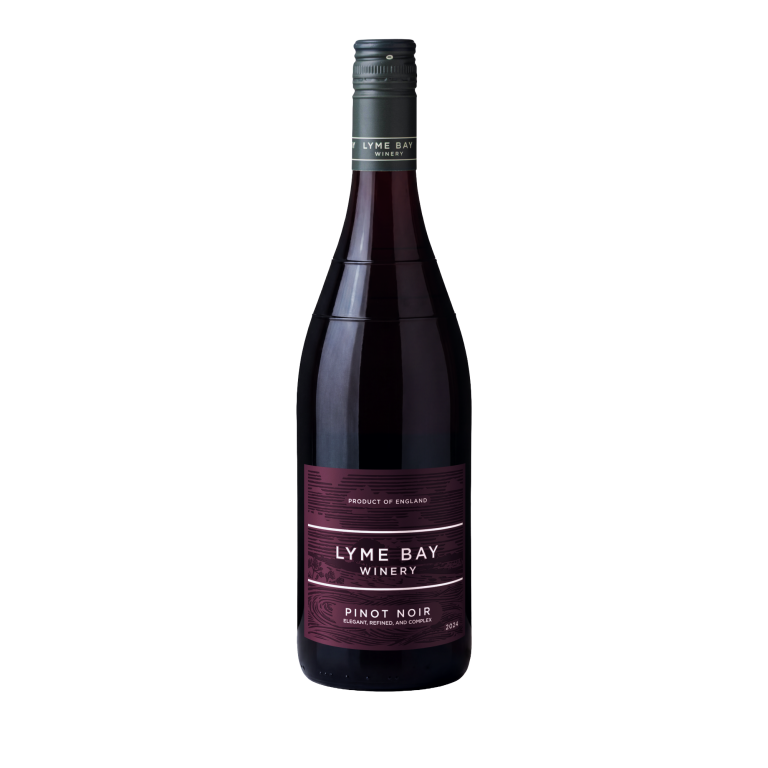
Sourced from Essex’s Crouch Valley, the country’s finest site for the grape, we craft two expressions of English Pinot Noir, each with its own character, and both proof that this country can produce red wine worth talking about.
Our Pinot Noir 2024 is the more serious of the two, deep and structured, built to reward patience in the cellar or open now for something with real presence at the table. Covepoint Pinot Noir takes a different path, an approachable, well-balanced red made for easy, everyday drinking, no ceremony required. Together they show the range of what English red wine can be, from the considered to the effortless, and we think either one will change your mind about what grows here.
It’s not what most people picture when they think of an English vineyard, and for a long time, that instinct was fair. We’re changing that, one Pinot Noir at a time.

Is English red wine any good?
Yes, and we’d know. We’re the UK’s most awarded English still wine producer, and we work with a network of growers across the country, including Essex’s Crouch Valley, to make red wine worth taking seriously.
England’s climate is built for white and sparkling wine, cool, slow ripening seasons suit grapes like Bacchus and Chardonnay far more easily than reds. For years, English red wine had a reputation for being thin and underripe. In a lot of cases, it deserved it.
That’s changed. A handful of grape varieties, Pinot Noir chief among them, ripen properly on the right English sites, in the right years. It’s still a small category, but what’s being made now wins gold and silver against international competition, not just other English producers.
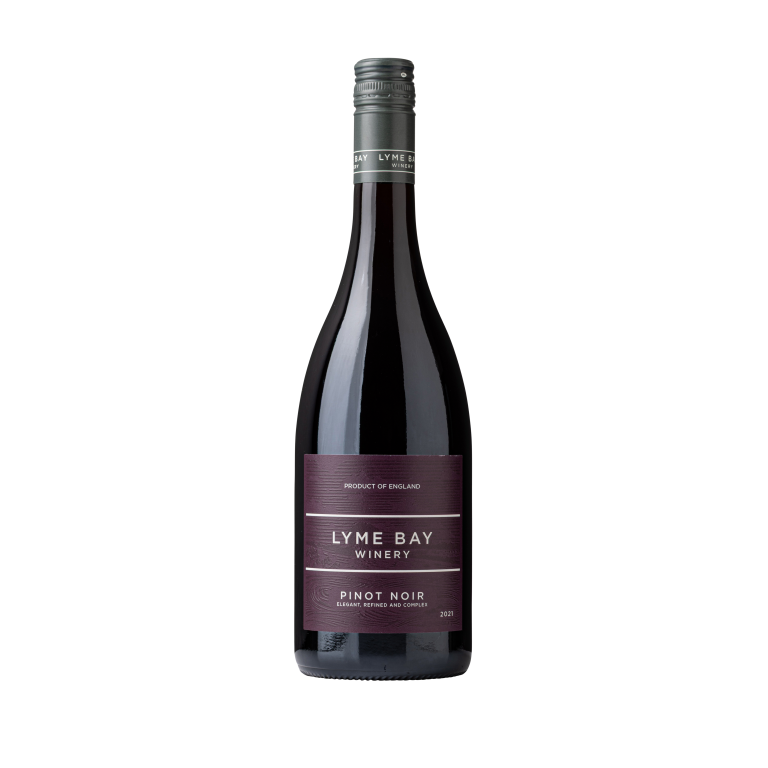
Our Pinot Noir 2021 picked up IWSC Gold, IWC Gold and an IWC Trophy, and the 2024 vintage has followed it up with IWSC Silver. England makes red wine, we make it, and it’s worth taking seriously.
Award Winning English red wine

“International Wine & Spirits Competition 2026 - SILVER”

“International Wine Challenge 2026 - BRONZE”

“Decanter Awards 2026 - SILVER”

“Wine GB 2026 - SILVER”

Tasting notes
What does English red wine actually taste like?
Cooler climate, thinner skins, lighter body. That’s the short version, and it’s what sets English Pinot Noir apart from a Burgundy or a New World red.
Grapes ripen slower here, over a longer season, with less heat and more marginal conditions than France or California. That works against big, bold reds. It works in favour of something lighter, brighter and more elegant, closer in style to a cool-vintage Burgundy than anything from Australia or California. Higher natural acidity, red fruit rather than black, a lot more finesse than power.
We age ours in barrel for structure and complexity, then let the fruit do the rest. The result is a wine with real character, not a red trying to compete with the New World on strength it was never going to have.
Food Pairings
What to eat with English red wine
Lighter body and higher acidity means English Pinot Noir pairs differently to a heavier red. Think in terms of what it’s built for, not what you’d usually reach for with a Cabernet or a Malbec.
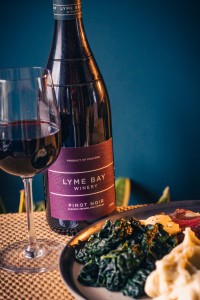
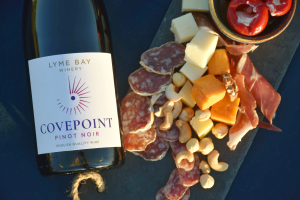
Roast duck is the classic match, the acidity cuts through the fat, and the red fruit works with the richness rather than fighting it. Salmon and other oily fish work too, something a bigger red would struggle with entirely. For something simpler, hard cheeses and charcuterie sit well alongside it, and it’s a good match for mushroom-based dishes if you want to stay vegetarian.
Serve it slightly cooler than you would a New World red, closer to 14 to 16 degrees, to let the acidity and fruit stay bright rather than getting lost.
Some frequently asked questions
What's the best red wine from the UK?
Why is English red wine mostly Pinot Noir?
How long can I cellar English red wine?
Should I serve English red wine chilled?

Join the club
Keep up to date with Lyme Bay Winery
Don’t miss out on news and updates from us. Sign up to our newsletter to receive 10% Off and be the first to receive exclusive offers and discounts on our products.
By subscribing I confirm I have read and agreed to Lyme Bay Winery’s terms and conditions and am happy to receive marketing communications.