Free UK Mainland Delivery On Orders Over £65

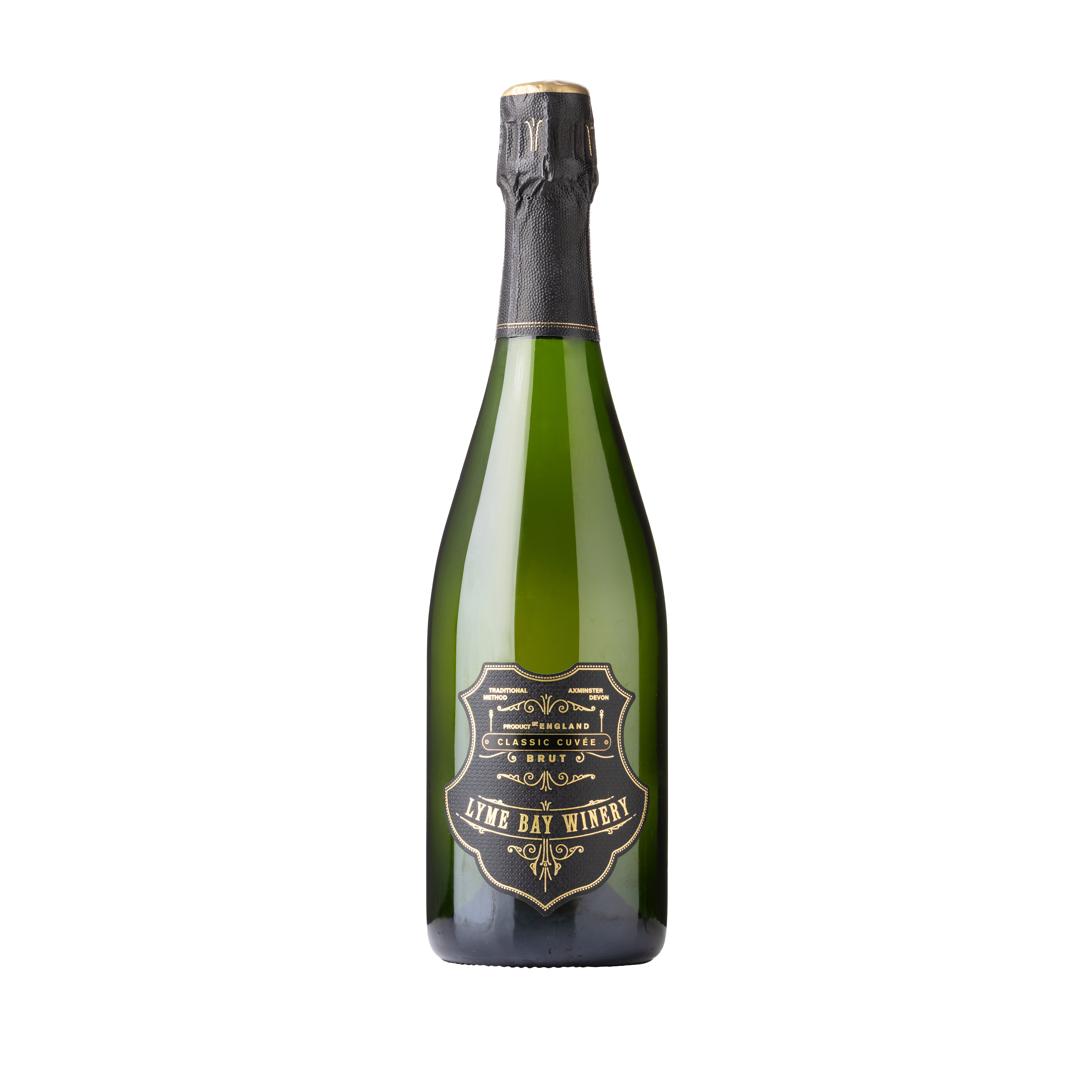
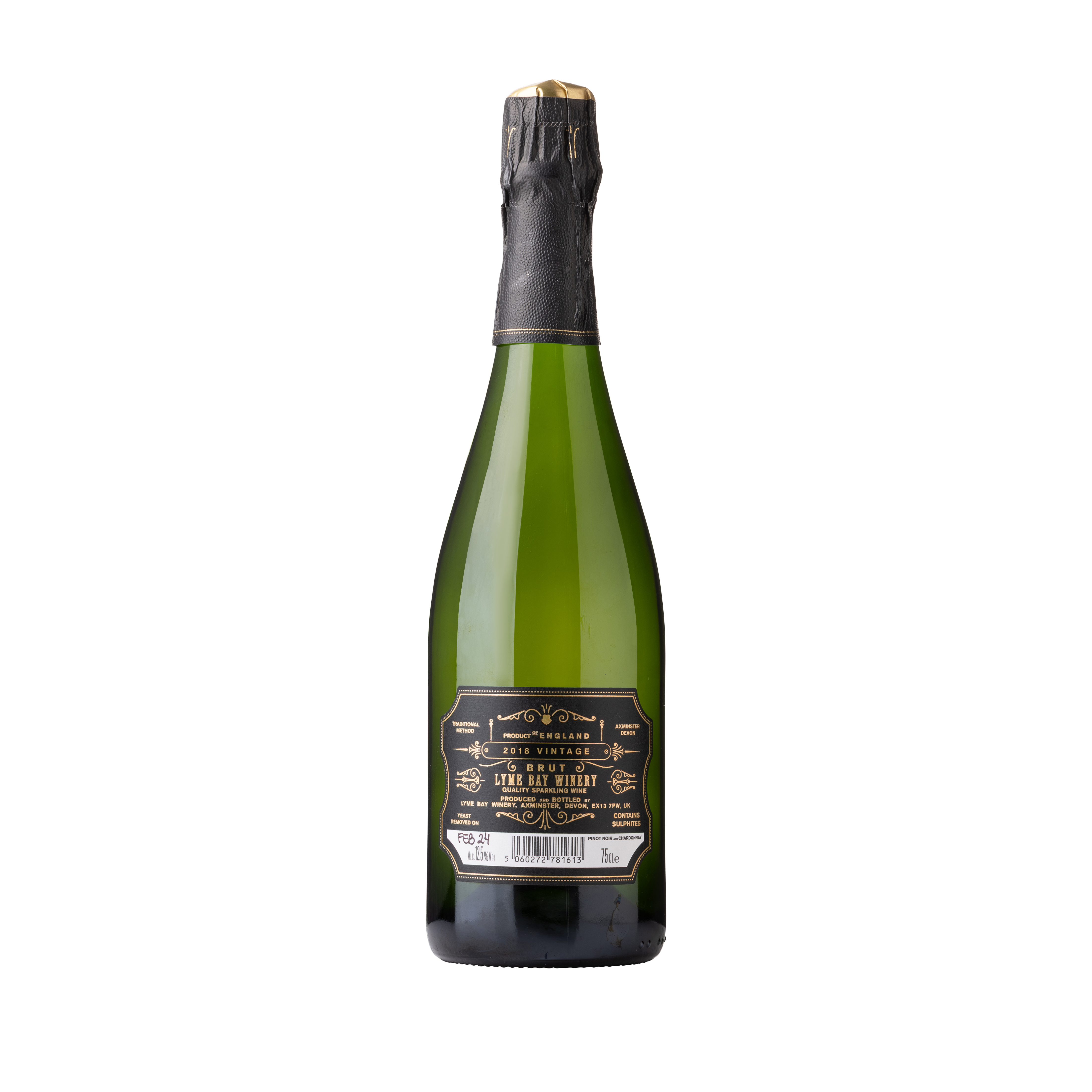
Classic Cuvée 2019

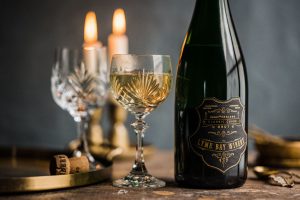
The Classic Cuvée is an elegant sparkling wine, showing a depth of citrus and stone fruits flavours, along with the more complex secondary aromas of cooked apples, breadcrumbs, honey and almond.

£31.99

1517 in stock

About Classic Cuvée Sparkling Wine

APPEARANCE: Delicate fine bubbles with a pale, golden colour.
NOSE: Complex, lifted, developed aromas of lemon curd, apple pie,
and honey as well as brioche and cream.
PALATE: A dry, rich, autolytic style with great depth and complexity. The palate has notes of toasted brioche, freshly baked bread, roasted hazelnut and almond, layered with notes of honey, dried apple, quince and subtle citrus peel. Gentle hints of mushroom & chalk add depth and maturity. The finish has a zesty acidity that balances the palate. A refined and complex sparkling wine that is a result of the extended ageing.
STYLE: A classic traditional method sparkling wine.
GRAPE VARIETIES: 47% Pinot Noir, 48% Chardonnay, 5% Pinot Blanc
VINEYARDS: Haygrove Estate, D’Urberville Vineyard, Wodetone,
Sandhurst, Great Whitmans Vineyard, Martin’s Lane, Old Mill House.
49% Essex, 41% Herefordshire, 10% Hampshire & Dorset.
PDO/PGI: PDO – English Quality Wine
FERMENTATION VESSELS: Stainless steel and old French oak
barriques.
ABV:11.5%: ACIDITY: 7.7g/L pH: 3.22 RS: 8g/L

ALCOHOL BY VOLUME (ABV)

11 .5%

Volume

75cl

Type

White

Tasting notes

Almond
Apples
Breadcrumbs
Honey

light-bodiedfull-bodied
drysweet
FRUITY & AROMATICBOLD & COMPLEX
Winemaking Notes

Classic Cuvée

Winemaking Notes

The Classic Cuvée is a blend from the classic Champagne varieties Pinot Noir, Chardonnay and Pinot Blanc. The grapes were carefully hand-picked and whole-cluster pressed, with only the best press cuttings going into the wine. After a slow, cold, natural settle, the juice was inoculated for primary fermentation, with a portion of the juice going into barrel to add complexity and mouthfeel. The wine was bottled for secondary fermentation the following spring and remained on lees for a minimum of 60 months to develop secondary yeast flavours, before being disgorged and given time under cork before release.